A Party of Culture and Preference in Indian Cuisine: One Of The Most Beloved Famous Indian Food
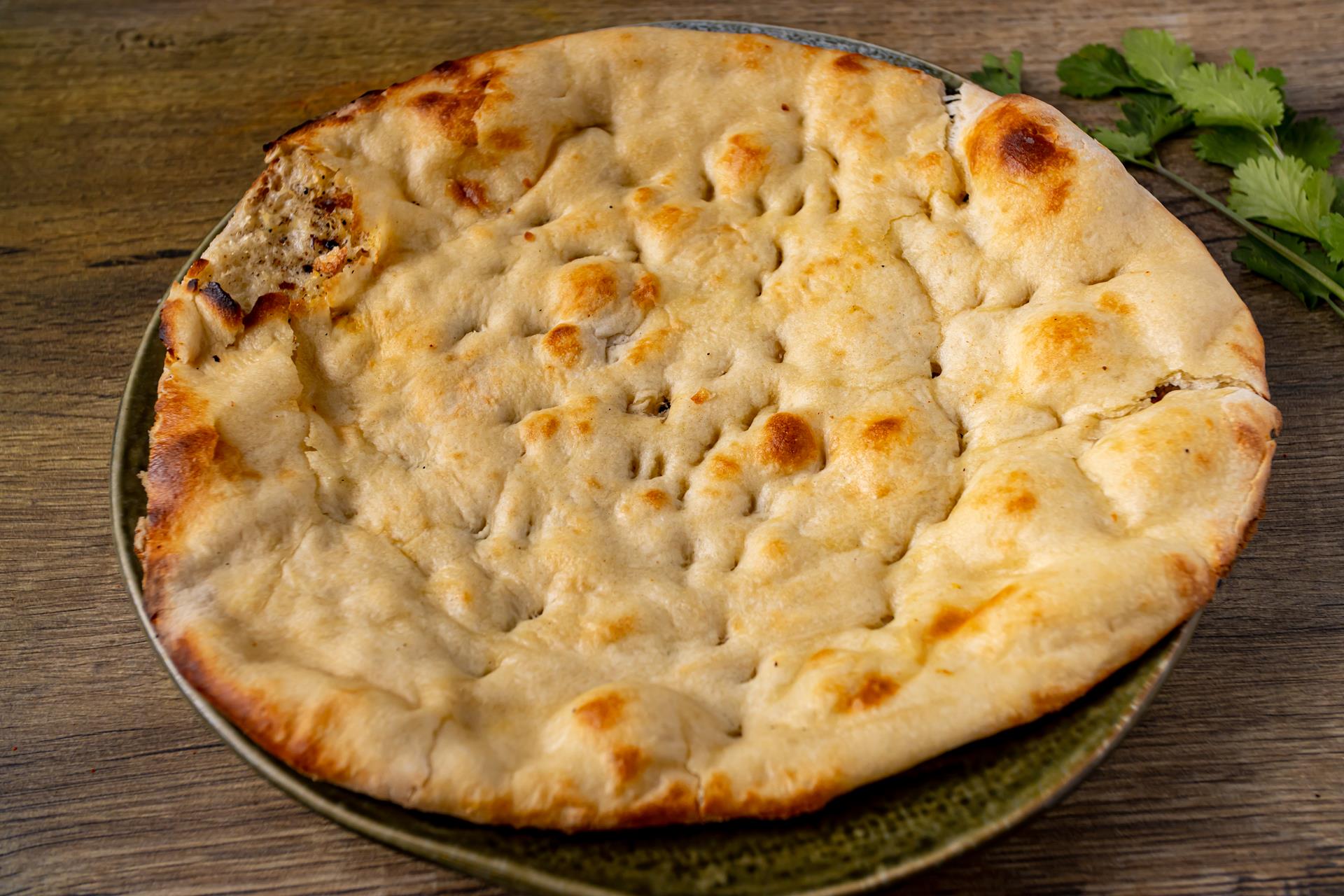
The Rich Heritage of North Indian Food
North Indian food is usually celebrated for its abundant textures and varied flavors, it additionally shows a deep cultural heritage that has actually developed over centuries. Influenced by numerous historic occasions, such as the Mughal conquest and the arrival of various communities, this food showcases an amalgamation of cooking methods. Signature meals like biryani and butter chicken expose the region's historic ties and the usage of spices, lotion, and yogurt, which enhance the taste accounts.
Additionally, traditional food preparation methods, such as tandoori cooking, play a pivotal function in developing distinct appearances and tastes that are particular of North Indian food. Events and religious events better enrich this culinary tapestry, as family members integrated to prepare sophisticated dishes. The focus on communal dining cultivates a feeling of togetherness, making North Indian cuisine not almost food, yet an embodiment of cultural identity and heritage, treasured throughout generations.
The Vibrant Flavors of South Indian Cuisines
What makes South Indian cuisine stand apart is its vibrant array of tastes that entice the preference buds. This local fare is defined by its use aromatic spices and fresh components, developing recipes that are both healthy and flavorful. Staples like rice and lentils develop the structure of lots of dishes, while coconut, curry leaves, and tamarind include distinct preferences.
Legendary recipes such as dosa, a crunchy fermented crepe, and uttapam, a thick pancake covered with veggies, exhibit the area's love for fermentation and appearance. takeout and delivery. Sambar, a lentil-based veggie stew, and rasam, a zesty soup, display the ideal mix of flavors and spices that characterize South Indian culinary traditions
Enhancements like coconut chutney and pickles boost these meals even more, providing different flavors. Together, these aspects create a cooking experience that is both varied and deeply rooted in tradition, making South Indian food precious throughout the globe.
The Spicy Delights of East Indian Culinary Traditions
East Indian cooking customs are renowned for their bold and zesty tastes, setting them in addition to other local cuisines in India. This area boasts an abundant tapestry of meals affected by diverse societies, from Bengali fish curries to the fiery thrills of Odisha's coastal offerings. Seasonings such as mustard, coriander, and cumin are staples, mixing sympathetically to develop dynamic curries and lentil dishes. Making use of green chilies and red chili powder adds a distinct heat that defines many East Indian dishes.
Bengali food, particularly, is renowned for its hot and sweet balance, including dishes like shorshe ilish, where hilsa fish is cooked in mustard sauce. At the same great site time, the use of panch phoron, a special five-spice mix, elevates daily recipes. The concentrate on fresh, neighborhood ingredients and strong flavoring not just enhances flavor however likewise shows the area's social heritage, making East Indian cuisine a real celebration of spice and preference.

The Wholesome Convenience of West Indian Favorites
West Indian cuisine supplies a delightful selection of home cooking that mirror the area's varied social impacts and dynamic look at this now farming bounty. Staples such as rice and peas, often enriched with coconut milk, symbolize the significance of island life. Dishes like curried goat and jerk poultry display the bold flavors and flavors that identify this cooking tradition.
Plantains, fried to a golden crisp, offer as a precious side, complementing lots of dishes with their mouthwatering and pleasant notes. indian food. The use of fresh herbs, such as thyme and cilantro, raises the meals, supplying fragrant deepness
In addition, the passionate roti, usually stuffed with vegetables or meats, is a favorite among locals, providing a satisfying and filling up choice. Each meal is an event of the region's rich history, blending indigenous ingredients with influences from African, Indian, and European cuisines. With each other, these components add to the wholesome and comforting nature of West Indian faves.
The Impact of Road Food in Indian Gastronomy
Though usually forgot in official cooking discussions, street food plays a pivotal role fit Indian gastronomy, showing the country's rich social tapestry. Cities and communities throughout India are decorated with dynamic stalls and carts, each offering a special range of flavors and recipes that tell local tales. From the spicy flavor of chaat in Delhi to the crispy vadas of Mumbai, these cooking thrills act as a connection in between neighborhoods and their heritage.
Street food is not nearly taste; it exemplifies accessibility and price, making it a staple for lots of. Vendors usually integrate regional active ingredients, showcasing India's diverse farming bounty (Best indian restaurant). Road food cultivates social interaction, as individuals gather see here now to take pleasure in meals with each other, developing a sense of area. Fundamentally, the impact of road food transcends plain sustenance, symbolizing the spirit of India's cooking identity and using a glimpse into the nation's vibrant culture
Often Asked Inquiries
What Are the Health Perks of Typical Indian Spices?
Standard Indian seasonings offer various wellness advantages, including anti-inflammatory residential properties, boosted digestion, enhanced metabolic process, and antioxidant results. They might also support heart health and wellness, control blood sugar level degrees, and increase resistance, adding to overall wellness.
Exactly How Can I Adjust Indian Dishes for Dietary Restrictions?
To adjust Indian dishes for nutritional constraints, one can substitute active ingredients, readjust seasoning degrees, and explore alternatives like plant-based proteins or gluten-free flours, ensuring the essence of the recipe remains while meeting private nutritional needs.
What Are one of the most Popular Indian Desserts?
Popular Indian treats consist of gulab jamun, a wonderful syrup-soaked dumpling; jalebi, a crispy, spiraled treat; and rasgulla, a spongy cheese ball. These delicacies are cherished for their unique tastes and appearances, charming treat fanatics worldwide.
Exactly How Do Indian Cooking Techniques Differ In Between Areas?
Indian food preparation methods vary considerably by area, affected by social methods and local ingredients. Northern areas commonly utilize tandoor cooking, while southerly locations favor frying and steaming. Each approach shows cooking customs and distinct tastes.
What Is the Relevance of Celebrations in Indian Cuisine?
Celebrations hold tremendous relevance in Indian cuisine, as they personify cultural traditions, foster public bonds, and celebrate wealth. Special dishes are prepared, signifying heritage and spirituality, while strengthening the importance of sharing and togetherness throughout these occasions.
North Indian food is frequently commemorated for its rich appearances and diverse tastes, it also shows a deep social heritage that has advanced over centuries. What makes South Indian cuisine stand out is its lively array of tastes that tantalize the preference buds. East Indian cooking customs are renowned for their zesty and strong tastes, establishing them apart from various other regional cuisines in India. West Indian food uses a delightful variety of comfort foods that mirror the area's varied social impacts and dynamic farming bounty. Each meal is a celebration of the area's abundant history, mixing indigenous active ingredients with influences from African, Indian, and European cuisines.